GymLedger is reader-supported. If you purchase through links on our site, we may earn an affiliate commission at no cost to you. We only recommend equipment we’d buy again.
Dumbbells are a workhorse in any home gym, but they don’t last forever. Knowing when to replace your dumbbells is crucial for both safety and performance. Unlike some equipment where wear is more gradual, dumbbell failure can be sudden and lead to injury. Here’s a breakdown of when it’s time to consider a replacement.
Signs Your Dumbbells Need Replacing
Phone cases · 15% off first order
Phone Case GiftThey pick the model · 2 minutes Code FIRST15GIFTSeveral red flags indicate that your dumbbells are nearing the end of their lifespan. Ignoring these signs can compromise your workouts and potentially lead to accidents.
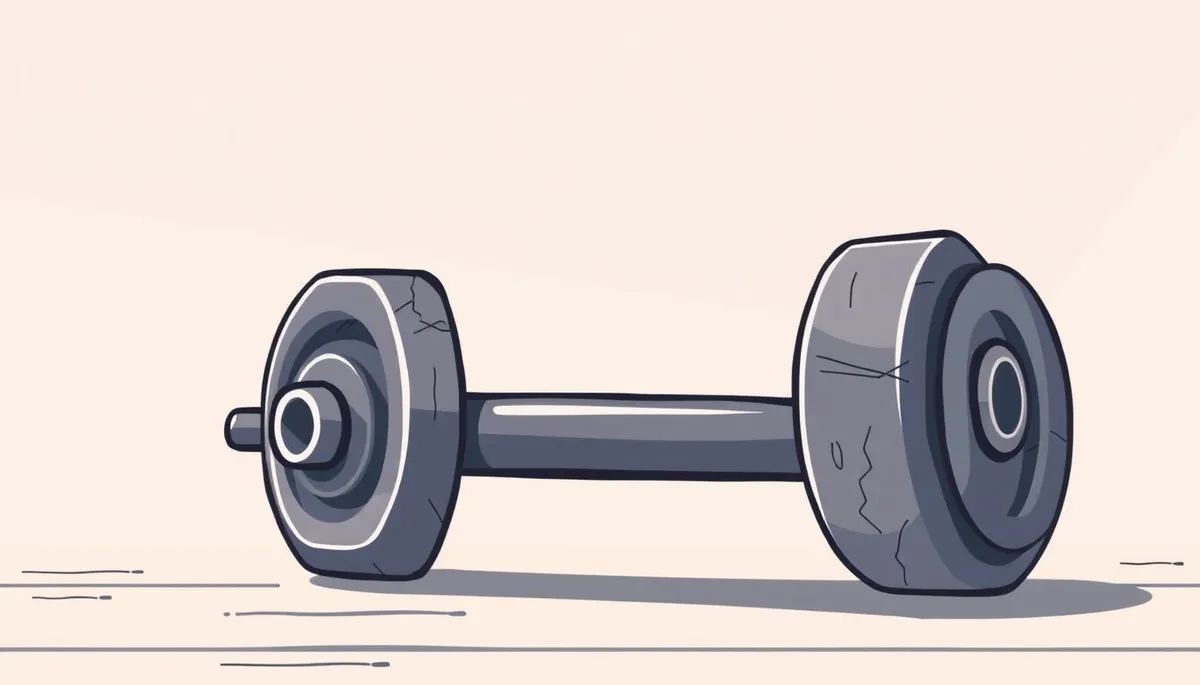
Cracks in the Coating or Metal
Visible cracks, regardless of size, are a major warning sign.
- Coated Dumbbells (Rubber, Urethane): Cracks in the coating compromise the dumbbell’s integrity. Moisture can seep in, causing rust on the underlying metal, even if you can’t see it. This can weaken the dumbbell over time. Minor surface imperfections are normal, but deep or expanding cracks are a no-go.
- Metal Dumbbells (Cast Iron, Steel): Cracks in the metal itself are even more concerning. These indicate structural weakness and an imminent risk of failure under load. Any crack in the metal of a dumbbell should immediately take it out of service.
Excessive Rust
Rust is a common enemy, especially in humid environments or if your gym isn’t climate-controlled.
- Surface Rust: A light layer of surface rust can often be removed with a wire brush and some elbow grease. However, if the rust is widespread and deep, it has likely compromised the metal’s structural integrity.
- Pitting Rust: This type of rust creates small pits or holes in the metal. Pitting is a sign of significant corrosion and weakens the dumbbell. If you see pitting, it’s time to replace the dumbbell. You can try to slow the spread of rust with a rust inhibitor spray, but this is a temporary fix.
Loose Handles or Collars
The connection between the handle and the weight head is critical. A loose handle is a clear indication of a safety issue.
- Fixed Dumbbells: If the handle wobbles or rotates independently of the weight head, it’s time to retire the dumbbell. This usually means the weld or adhesive holding the handle has failed.
- Adjustable Dumbbells: While some wobble is normal with adjustable dumbbells, excessive looseness or play in the locking mechanism is dangerous. Check the locking mechanism regularly. If it’s failing, replace the dumbbell. Consider upgrading to a set of the [Best adjustable dumbbells for home gym in 2026] if yours are constantly giving you trouble.
Bent Handles
A bent handle affects your grip and balance, increasing the risk of injury.
- Visual Inspection: Place the dumbbell on a flat surface and check for any visible bends in the handle. Even a slight bend can significantly alter your form and increase the risk of wrist or elbow strain.
- Rolling Test: Roll the dumbbell across a flat surface. A bent handle will cause the dumbbell to wobble or deviate from a straight line.
Factors Affecting Dumbbell Lifespan
Several factors influence how long your dumbbells will last. Here are a few to consider:
Frequency of Use
The more frequently you use your dumbbells, the faster they will wear down. A dumbbell used daily will naturally degrade faster than one used only occasionally. If you’re a serious lifter who trains 5-7 days a week, you’ll likely need to replace your dumbbells more often than someone who trains 2-3 days a week.
Storage Conditions
Proper storage is crucial for extending the life of your dumbbells.
- Humidity: Store dumbbells in a dry environment to prevent rust. Basements and garages prone to dampness can accelerate corrosion. Consider a dehumidifier if humidity is a problem.
- Temperature: Extreme temperature fluctuations can also damage dumbbells, especially those with rubber or urethane coatings.
- Racking: Invest in a quality dumbbell rack. This prevents dumbbells from rolling around and getting damaged, and keeps your gym organized. Avoid stacking dumbbells directly on top of each other, as this can damage the coatings. And use [gym-flooring essentials for weekend projects] to protect your floors from damage too.
Quality of Dumbbells
The initial quality of your dumbbells plays a significant role in their longevity.
- Construction Materials: Dumbbells made from high-quality materials, such as solid steel or durable urethane, will generally last longer than those made from cheaper materials like cast iron with a thin coating.
- Manufacturing Process: Well-manufactured dumbbells with strong welds and secure handle attachments are less likely to fail prematurely.
- Price Point: While price isn’t always an indicator of quality, very cheap dumbbells are often made with inferior materials and construction techniques, leading to a shorter lifespan. This is one area where it pays to spend a bit more upfront for a product that will last.
Choosing Replacement Dumbbells
Phone cases · 15% off first order
Titan CasePrecision fit · 2,000+ designs Code FIRST15TITWhen it’s time to replace your dumbbells, consider these factors when choosing new ones:
Type of Dumbbell
- Fixed Dumbbells: These are a good choice for serious lifters who need a wide range of weights. They are generally more durable than adjustable dumbbells and offer a more stable feel.
- Adjustable Dumbbells: These are ideal for home gyms with limited space. They are more versatile than fixed dumbbells, but they can be less durable and more prone to mechanical issues.
- Coated vs. Uncoated: Coated (rubber or urethane) dumbbells are quieter, protect your floors, and are generally more comfortable to grip. Uncoated (metal) dumbbells are more durable and resistant to wear, but they can be noisy and less forgiving if dropped.
Weight Range
Consider your current strength level and your training goals when choosing a weight range. It’s better to err on the side of having too much weight than not enough. A good starting point is a set of dumbbells ranging from 5 lbs to 50 lbs in 5 lb increments.
Budget
Dumbbell prices can vary widely depending on the type, weight, and quality. Set a budget before you start shopping and stick to it. Remember, it’s often better to invest in a higher-quality set of dumbbells that will last longer than to buy a cheaper set that will need to be replaced sooner.
Reading Reviews
Read online reviews from other users before making a purchase. Look for reviews that discuss the durability, performance, and overall quality of the dumbbells. Pay attention to any recurring complaints or issues.
Safety Considerations
Replacing your dumbbells is not just about performance; it’s about safety. Using damaged or worn-out dumbbells can lead to serious injuries.
- Drop Risk: Always be aware of the risk of dropping a dumbbell, especially if the handle is loose or the weight head is cracked.
- Proper Form: Using damaged dumbbells can compromise your form, increasing the risk of strains and sprains.
- Immediate Replacement: If you notice any of the warning signs mentioned above, replace your dumbbells immediately. Don’t wait until they completely fail.
By paying attention to these signs and factors, you can ensure your dumbbells are safe and effective for your workouts. Replacing worn dumbbells is a small investment that can pay off in the long run by preventing injuries and improving your training.