GymLedger is reader-supported. When you buy through links on our site, we may earn an affiliate commission. This helps us pay for the equipment we purchase and test.
Choosing weight plates seems simple, but it’s easy to make costly mistakes that leave you with mismatched, inaccurate, or even damaged plates. This weight plates buying guide highlights the common pitfalls, ensuring you build a quality weight set that lasts. We’ll cover sizing issues, material problems, weight inaccuracies, and storage considerations so you can avoid buyer’s remorse.
Sizing and Compatibility Problems
Phone cases · 15% off first order
Phone Case GiftThey pick the model · 2 minutes Code FIRST15GIFT
One of the most frustrating weight plate mistakes is buying plates that don’t fit your barbell. This usually stems from overlooking a few key measurements.
Bore Diameter: The Crucial Measurement
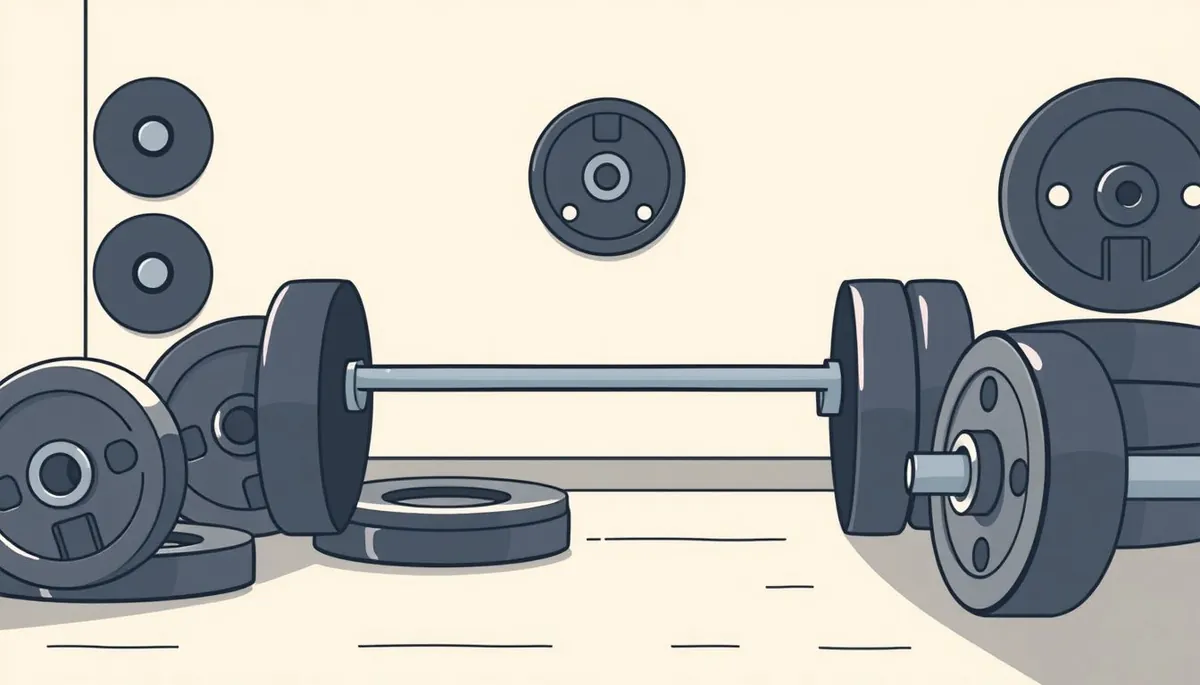
The bore diameter is the hole in the center of the weight plate. Standard barbells (the kind you’ll use for squats, bench press, and deadlifts) have a 2-inch diameter sleeve. Olympic weight plates are designed to fit these barbells. However, some cheaper plates, especially those sold in sets with barbells, have a 1-inch bore diameter. These plates are only compatible with smaller, lighter barbells.
The Mistake: Assuming all weight plates work with all barbells.
The Fix: Always check the bore diameter. If you own a standard barbell, you need plates with a 2-inch bore. If you’re buying your first barbell and plates together, confirm they are both standard (2-inch) or both 1-inch.
Plate Thickness and Capacity
Another sizing issue arises with thicker bumper plates. While bumper plates are great for Olympic lifting and protecting your floor, they take up more space on the barbell sleeve. This can limit the amount of weight you can load, especially on shorter barbells.
The Mistake: Not considering plate thickness and barbell sleeve length.
The Fix: Calculate your maximum weight requirements. A standard barbell typically has 16 inches of loadable sleeve length. Thinner iron plates allow you to load more weight. Bumper plates, being thicker, will reduce the maximum load. For example, if you plan to deadlift 405 lbs, calculate the width of your desired plates to ensure they will fit on your barbell.
Plate Diameter: Consistency Matters
While less critical, inconsistent plate diameters can be annoying. If you’re mixing and matching different brands, some plates might be slightly larger or smaller than others. While a small difference won’t affect performance, it can look messy and even cause slight balance issues when loading the bar.
The Mistake: Ignoring plate diameter consistency.
The Fix: Ideally, purchase all your plates from the same manufacturer. If mixing brands, research the plate diameters to ensure they are relatively consistent (within 0.1 inches).
Material and Construction Flaws
The material used in weight plates significantly impacts their durability, accuracy, and overall feel. Here are some common material-related mistakes.
Cheap Cast Iron: A Recipe for Rust
Low-quality cast iron is prone to rust, especially in humid environments. Once rust starts, it can be difficult to stop, and it will eventually degrade the plate’s surface and accuracy.
The Mistake: Buying the cheapest cast iron plates without considering rust resistance.
The Fix: Look for plates with a durable finish. Enamel-coated or powder-coated plates offer better protection against rust. Consider investing in higher-quality cast iron plates with a more robust manufacturing process. Also, store your plates in a dry environment and wipe them down regularly.
Bumper Plate Quality and Durability
Bumper plates are made of rubber and are designed to be dropped. However, not all bumper plates are created equal. Cheap bumper plates can crack, delaminate, or even warp over time, especially when dropped repeatedly.
The Mistake: Buying low-quality bumper plates for high-impact use.
The Fix: Invest in reputable bumper plates. Look for plates made from high-density rubber with a steel insert. The steel insert reinforces the center hole and prevents it from deforming. Consider the durometer (hardness) of the rubber. Lower durometer ratings indicate softer rubber, which is better for absorbing impact. Higher durometer ratings are more durable but provide less cushioning. Our guide to [gym flooring essentials for weekend projects] offers advice on selecting the right flooring to minimize the impact on your plates.
Inaccurate Weight Claims: A Safety Hazard
One of the most dangerous weight plate mistakes is inaccurate weight claims. Some manufacturers, particularly those selling very cheap plates, are notorious for misrepresenting the actual weight of their plates. This can lead to significant discrepancies in your lifts and potentially cause injury.
The Mistake: Trusting weight claims without verification.
The Fix: Verify the weight of your plates. Use a calibrated scale to weigh each plate individually. If you find significant discrepancies (more than a few percent), contact the seller for a refund or replacement. If the weight is consistently off, it’s a sign of poor manufacturing quality.
Storage and Maintenance Neglect
Phone cases · 15% off first order
Titan CasePrecision fit · 2,000+ designs Code FIRST15TIT
Even the best weight plates will suffer if not properly stored and maintained.
Ignoring Proper Storage Solutions
Leaving weight plates lying around on the floor is a recipe for damage and disorganization. Plates can be tripped over, kicked, and exposed to moisture, leading to rust and scratches.
The Mistake: Neglecting proper storage solutions.
The Fix: Invest in a weight plate rack. Vertical plate trees save space and keep plates organized. Horizontal racks are also available and can be easier to load and unload. Consider a combination of storage solutions to maximize space efficiency.
Neglecting Regular Cleaning
Dirt, sweat, and chalk can accumulate on weight plates over time, leading to rust and corrosion. Regular cleaning is essential to maintain their appearance and extend their lifespan.
The Mistake: Failing to clean weight plates regularly.
The Fix: Wipe down your plates after each workout with a damp cloth. For stubborn dirt, use a mild soap and water solution. Avoid harsh chemicals or abrasive cleaners, as they can damage the finish.
Budget Considerations
It’s tempting to go for the cheapest option when building a home gym, but with weight plates, quality matters. Paying a little extra upfront can save you money and frustration in the long run. Our article on [budget versus premium gym-accessories: what actually matters] dives deeper into this concept.
Price-Per-Quality Cliff
There’s a point where spending more on weight plates yields diminishing returns. You don’t need to buy the most expensive competition-grade plates for general home gym use. The key is to find the sweet spot where quality, durability, and accuracy meet your budget. For example, avoid plates with obvious casting flaws or flimsy finishes. Look for plates with a solid feel, consistent dimensions, and a reputable brand name.
Prioritizing Quality over Quantity
It’s better to have a smaller set of high-quality plates than a larger set of cheap, inaccurate plates. Start with the weights you use most frequently and gradually add more plates as needed. This allows you to prioritize quality and avoid wasting money on plates you don’t use. You can always explore [dumbbell upgrades for small spaces] while you expand your weight collection.
By avoiding these common weight plate buying mistakes, you can build a durable, accurate, and functional weight set that will last for years to come.