GymLedger is reader-supported. When you buy through links on our site, we may earn an affiliate commission. This helps us pay for the equipment we test in our garage gym.
Weight plates: they’re all just round hunks of metal, right? Wrong. While the core function – adding resistance to your barbell – is the same, the differences between budget weight plates and premium options can significantly impact your training experience, their longevity, and even your safety. Choosing the right weight plates for your needs requires understanding what you’re actually paying for.
What Defines “Budget” and “Premium” Weight Plates?
Phone cases · 15% off first order
Phone Case GiftThey pick the model · 2 minutes Code FIRST15GIFT
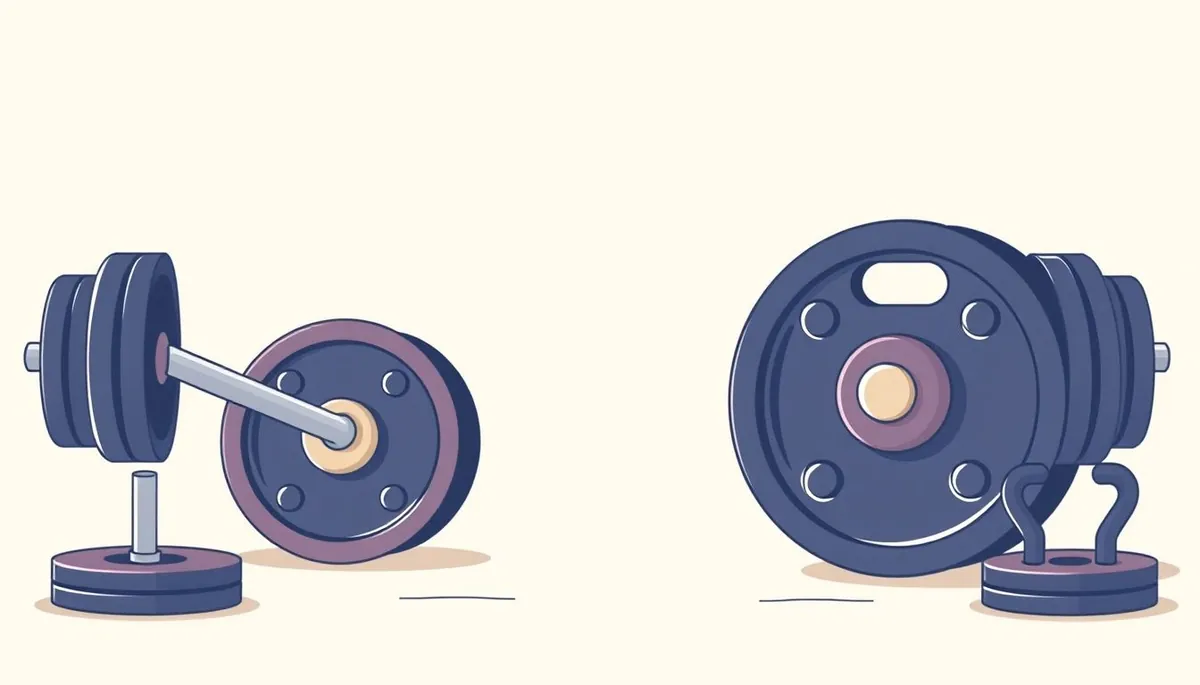
Before diving into the details, let’s define our terms. “Budget” weight plates generally refer to cast iron plates sold at the lowest possible price point. They often have rough finishes, wider tolerances, and minimal calibration. “Premium” plates encompass a broader range but usually feature steel construction (bumper plates or calibrated steel powerlifting plates), tighter tolerances, more precise weights, and greater durability.
Key Differences at a Glance
Here’s a quick overview of where budget and premium plates diverge:
- Material: Budget plates are almost always cast iron. Premium plates can be cast iron, steel, or rubber coated (bumper plates).
- Accuracy: Budget plates often have weight inaccuracies of +/- 3% or more. Premium plates, especially calibrated steel plates, are often within +/- 0.25%.
- Finish: Budget plates typically have a rough, sometimes uneven, painted finish. Premium plates boast smooth, durable coatings like powder coat or chrome. Bumper plates are coated in rubber.
- Diameter Consistency: Budget plates can vary noticeably in diameter, especially across different weight increments. Premium plates maintain a consistent diameter, crucial for deadlifts.
- Durability: Budget plates are more prone to chipping, cracking, and rusting. Premium plates are built to withstand heavy use and abuse.
- Price: Budget plates are significantly cheaper per pound. Premium plates command a higher price reflecting their superior materials and manufacturing.
The Real-World Impact of Weight Plate Quality
The differences listed above aren’t just cosmetic. They directly affect your training.
Accuracy Matters More Than You Think
A few ounces here or there might seem negligible, but consistent weight inaccuracies can throw off your training, especially at heavier loads. If you’re aiming for a specific percentage increase in weight each week, inaccurate plates make it harder to track progress. This is especially true if you’re using a mix of budget weight plates.
Durability and Longevity: Buy Once, Cry Once?
Budget weight plates are often the victim of cost-cutting in manufacturing. They can be thinner, cast with less precision, and coated with materials that easily chip or rust. This means you’ll likely be replacing them sooner than you would premium plates. While the initial investment is lower, the long-term cost can be higher. Premium plates, especially calibrated steel plates, are built to last a lifetime with proper care. Bumper plates are designed to withstand repeated drops.
Training Experience: The Feel of Quality
Beyond performance and longevity, premium plates simply feel better to use. The smooth finish, precise fit on the barbell sleeve, and consistent diameter contribute to a more enjoyable and safer training experience. Loading and unloading the bar is easier and faster, and you’re less likely to encounter issues like plates shifting during lifts. Think of barbell collars as essential accessories.
When Are Budget Weight Plates “Good Enough”?
Phone cases · 15% off first order
Titan CasePrecision fit · 2,000+ designs Code FIRST15TIT
Despite the clear advantages of premium plates, budget options can be a reasonable choice in certain situations.
Beginner on a Tight Budget
If you’re just starting out and have a very limited budget, budget weight plates are better than no weight plates at all. You can always upgrade later as your budget allows. Look for sales and consider buying used plates to save money. Just be aware of the potential drawbacks mentioned above.
Casual Lifter
If you only lift weights occasionally and aren’t concerned with precise weight increments or competition standards, budget plates may suffice. However, even casual lifters can benefit from the added durability and safety of premium plates, especially if you’re lifting heavy.
Dedicated to Specific Exercises
If you only plan to use weight plates for loading a plate-loaded cable machine, or for limited use with dumbbells, then the quality matters less. You don’t need calibrated plates for these scenarios.
Making the Right Choice for Your Home Gym
Ultimately, the best weight plates for you depend on your individual needs, budget, and training goals. Here’s a decision-making framework:
- Assess Your Budget: How much can you realistically afford to spend on weight plates? Be honest with yourself.
- Define Your Training Goals: Are you a competitive powerlifter? A serious home gym enthusiast? Or a casual lifter?
- Consider Your Space: Do you have limited space? Bumper plates may be a better choice for protecting your floor.
- Prioritize Accuracy: If precise weight increments are important, opt for calibrated steel plates.
- Factor in Durability: If you plan to train hard and often, invest in plates that can withstand the abuse.
- Read Reviews: Research different brands and models before making a purchase. Pay attention to user reviews regarding accuracy, durability, and finish.
- Don’t Forget Storage: A weight plate tree or rack is essential for keeping your plates organized and preventing damage. Consider GymLedger’s upcoming guide to weight-plates essentials for weekend projects.
For serious lifters, calibrated steel plates are often the best choice, offering unmatched accuracy and durability. For those who prioritize floor protection and quieter training, bumper plates are a solid option. And for beginners on a tight budget, budget cast iron plates can be a good starting point. Just remember to weigh the pros and cons carefully before making a decision. Don’t forget to consider other considerations, like the best gym-flooring upgrades for small spaces to protect your floor.
Investing in the right weight plates is an investment in your training and your long-term fitness goals. Choose wisely, and you’ll be lifting confidently for years to come.