GymLedger is reader-supported. When you buy through links on our site, we may earn an affiliate commission. This helps us pay for the equipment we test and the hours we put into these reviews.
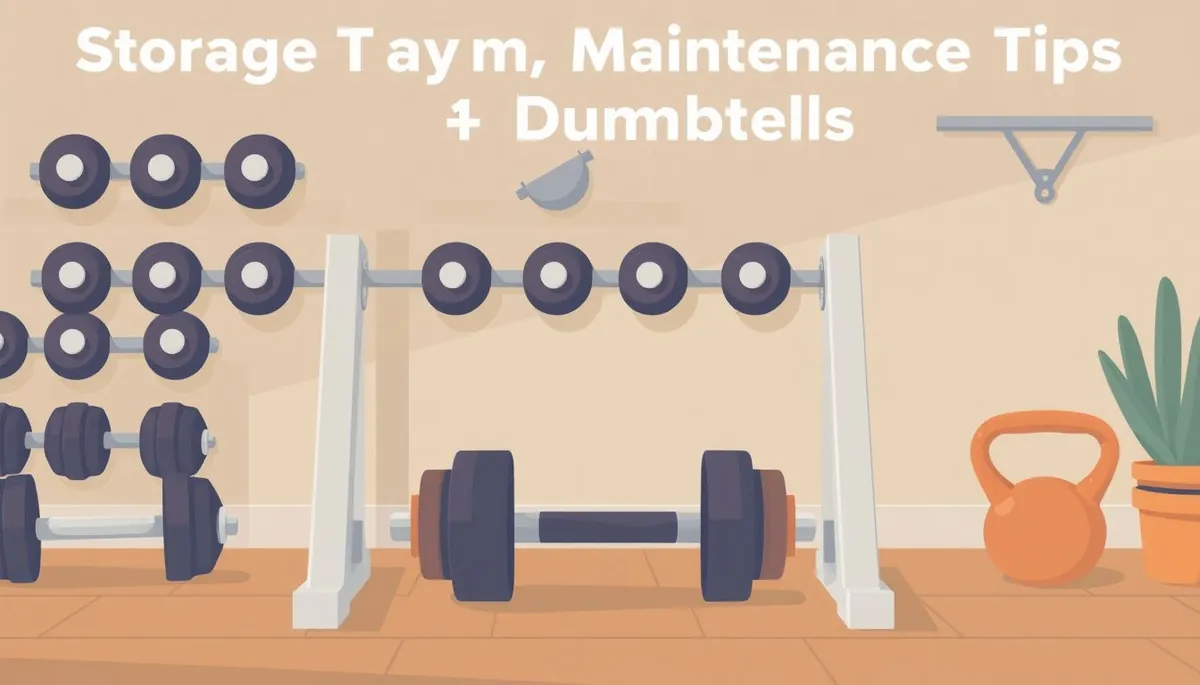
Dumbbells are a cornerstone of any home gym, offering versatility and effectiveness for a wide range of exercises. However, neglecting their storage and maintenance can significantly shorten their lifespan and even pose safety risks. Proper dumbbells storage not only protects your investment but also keeps your workout space organized and safe. This guide provides practical tips to ensure your dumbbells stay in top condition for years to come.
Choosing the Right Dumbbell Storage Solution
Phone cases · 15% off first order
Phone Case GiftThey pick the model · 2 minutes Code FIRST15GIFTThe best storage solution depends on the type of dumbbells you own, the available space in your gym, and your budget. Here’s a breakdown of common options:
Dumbbell Racks
Dumbbell racks are a dedicated storage solution, offering organized and easily accessible storage. There are several types, each with its own advantages:
-
Horizontal Racks: These racks feature tiered shelves, allowing you to easily see and grab the dumbbells. They’re ideal for fixed-weight dumbbells and offer excellent stability. Consider a horizontal rack if you have a wide but shallow space.
-
Vertical Racks (A-Frame): A-frame racks are space-efficient, taking up less floor area than horizontal racks. They’re well-suited for smaller home gyms. However, the angled design might make heavier dumbbells on the lower tiers slightly harder to lift.
-
Multi-Tier Racks: These racks combine horizontal and vertical elements, offering a balance of visibility and space-saving design. They’re a good option if you have a variety of dumbbell sizes and weights.
Dumbbell Trays and Mats
For those with limited space or a smaller dumbbell collection, trays and mats provide a simple storage solution.
-
Dumbbell Trays: These trays are designed to hold a pair of dumbbells, preventing them from rolling around and protecting your flooring. They’re ideal for adjustable dumbbells, which often have flat sides.
-
Rubber Mats: While not specifically designed for dumbbell storage, rubber mats can protect your floor from scratches and dents caused by dropping dumbbells. They also provide a non-slip surface, preventing dumbbells from rolling.
DIY Dumbbell Storage
If you’re on a budget or enjoy DIY projects, you can create your own dumbbell storage solution.
-
Shelving Units: Repurposed shelving units can be adapted to hold dumbbells. Ensure the shelves are sturdy enough to support the weight. Reinforce them if necessary.
-
Wooden Racks: Constructing a simple wooden rack is a cost-effective option. Use pressure-treated wood to prevent rot, especially if storing in a garage gym.
Key Considerations When Choosing a Storage Solution:
- Weight Capacity: Ensure the rack or storage unit can handle the total weight of your dumbbells. Overloading can lead to collapse and potential injury.
- Floor Space: Measure your available floor space and choose a storage solution that fits comfortably without obstructing your workout area.
- Accessibility: Consider how easily you can access the dumbbells. The rack should be positioned in a convenient location.
- Material: Opt for durable materials like steel or heavy-duty wood that can withstand the weight and wear and tear.
- Assembly: Check the assembly requirements before purchasing. Some racks require extensive assembly, while others are pre-assembled.
Regular Cleaning and Maintenance
Regular cleaning and maintenance are crucial for extending the lifespan of your dumbbells and preventing rust and damage. Aim to clean your dumbbells at least once a month, or more frequently if you sweat heavily during workouts.
Cleaning Procedures
- Gather Supplies: You’ll need a soft cloth, mild soap or cleaner (dish soap works well), warm water, and a dry towel. Avoid harsh chemicals or abrasive cleaners, as they can damage the dumbbell’s finish.
- Wipe Down Dumbbells: Dampen the cloth with the soapy water and thoroughly wipe down the entire dumbbell, including the handles and weight plates. Pay particular attention to areas where sweat and grime tend to accumulate.
- Rinse (If Necessary): If you used a lot of soap, lightly rinse the dumbbells with a damp cloth.
- Dry Thoroughly: Use a clean, dry towel to dry the dumbbells completely. Moisture is a major contributor to rust, so ensure they are completely dry before storing.
Rust Prevention
Rust is a common problem with dumbbells, especially in humid environments. Here are some tips to prevent rust:
- Regular Cleaning: As mentioned above, regular cleaning removes sweat and other contaminants that can contribute to rust formation.
- Apply a Protective Coating: After cleaning and drying, apply a thin coat of rust-inhibiting oil or silicone spray to the dumbbells. This creates a barrier against moisture. WD-40 can work in a pinch, but be aware it can leave a residue and attract dust.
- Control Humidity: If you live in a humid area, consider using a dehumidifier in your home gym to reduce moisture levels.
- Proper Storage: Store dumbbells in a dry, well-ventilated area. Avoid storing them in damp basements or garages.
Inspecting for Damage
Regularly inspect your dumbbells for signs of damage, such as cracks, dents, or loose plates.
- Check for Cracks: Carefully examine the dumbbell handles and weight plates for any cracks. Cracks can weaken the dumbbell and pose a safety risk.
- Tighten Loose Plates: If you have adjustable dumbbells, ensure the weight plates are securely tightened. Loose plates can shift during exercise and cause injury.
- Replace Damaged Dumbbells: If you notice any significant damage, such as deep cracks or severely damaged plates, replace the dumbbell immediately. It’s better to invest in a new set of dumbbells than risk injury.
Optimizing Your Gym Environment
Phone cases · 15% off first order
Titan CasePrecision fit · 2,000+ designs Code FIRST15TITThe environment in your home gym can significantly impact the lifespan of your dumbbells. Creating a controlled environment can help prevent rust and damage.
Temperature and Humidity Control
- Maintain a Stable Temperature: Extreme temperature fluctuations can cause condensation, which can lead to rust. Aim to keep your gym at a consistent temperature.
- Control Humidity: As mentioned earlier, humidity is a major contributor to rust. Use a dehumidifier to reduce moisture levels, especially in humid climates. Aim for a humidity level below 60%.
- Ventilation: Ensure your gym is well-ventilated to prevent moisture buildup. Open windows or use a fan to circulate air.
Flooring Considerations
The type of flooring in your gym can also affect your dumbbells.
- Rubber Flooring: Best gym-flooring upgrades for small spaces provides a cushioned surface that protects your dumbbells from damage if dropped. It also reduces noise and vibration.
- Concrete Flooring: Concrete flooring is durable but can be hard on dumbbells. Consider using rubber mats or flooring to protect your dumbbells.
- Avoid Carpet: Carpet can trap moisture and dirt, which can contribute to rust. It also doesn’t provide adequate protection for dumbbells.
Protecting Dumbbells During Storage
When storing your dumbbells, consider these additional tips:
- Store Off the Floor: Storing dumbbells on a rack or shelf keeps them off the floor and prevents moisture from accumulating underneath.
- Use Protective Covers: If you’re storing dumbbells for an extended period, consider using protective covers to shield them from dust and moisture.
- Avoid Direct Sunlight: Direct sunlight can fade the finish on your dumbbells. Store them in a shaded area.
Handling and Usage Best Practices
How you handle and use your dumbbells can also affect their lifespan.
Proper Lifting Techniques
- Avoid Dropping Dumbbells: Dropping dumbbells can cause cracks, dents, and other damage. Always lower dumbbells in a controlled manner.
- Use Proper Form: Using proper form during exercises reduces the risk of dropping dumbbells and prevents strain on the equipment.
- Warm-Up Before Lifting: Warming up your muscles before lifting reduces the risk of injury and prevents you from overexerting yourself.
Cleaning After Use
- Wipe Down After Each Workout: Wipe down your dumbbells with a clean cloth after each workout to remove sweat and grime.
- Use Hand Sanitizer: Using hand sanitizer before and after workouts can help prevent the transfer of sweat and bacteria to your dumbbells.
By following these storage and maintenance tips, you can extend the lifespan of your dumbbells, keep your home gym organized, and ensure a safe and effective workout environment. Remember, a little preventative care goes a long way in protecting your investment and ensuring years of use from your dumbbell set. Don’t forget to check out our recommendations for Best adjustable dumbbells for home gym in 2026 if you’re looking to upgrade your current set.